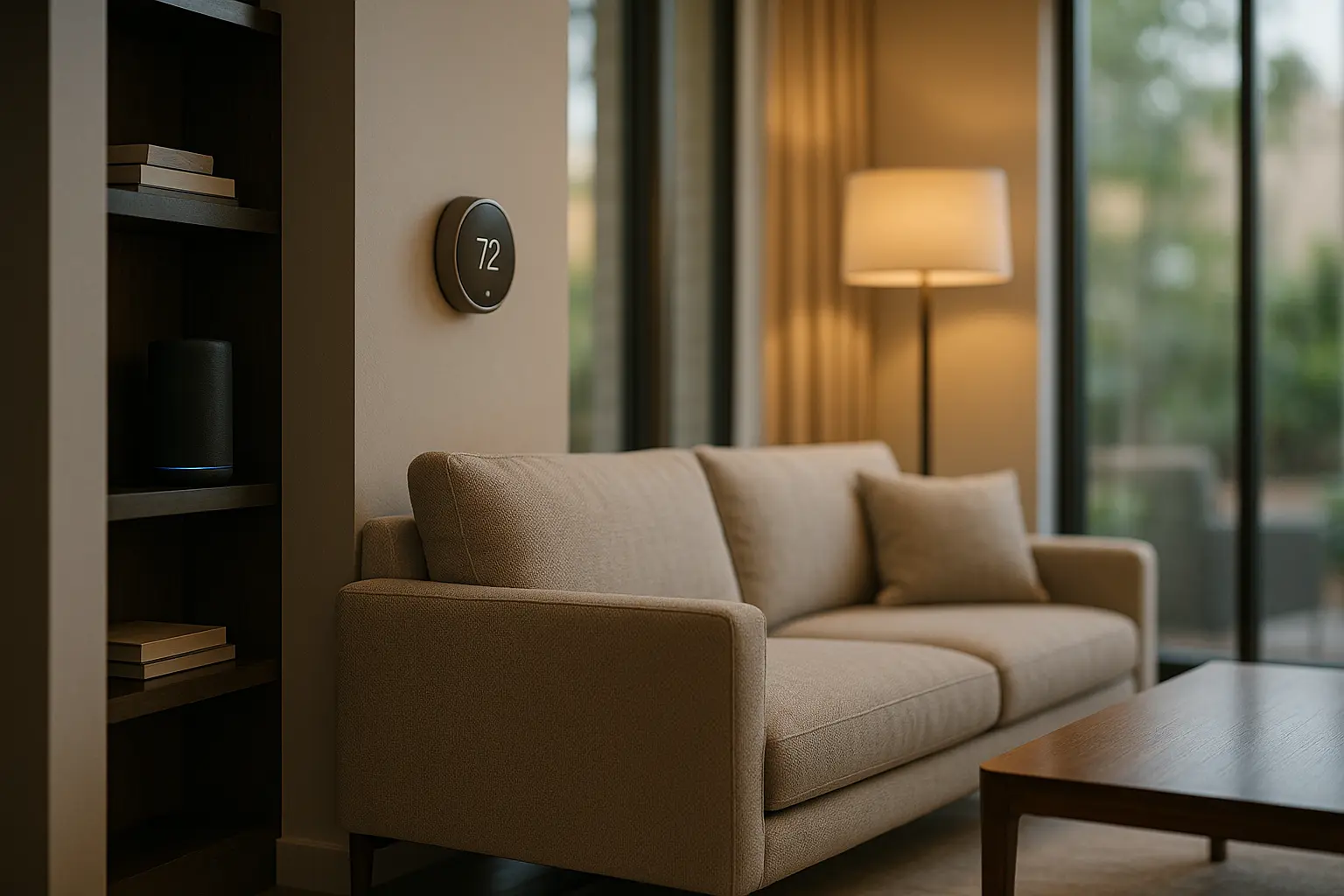
Smart home integration: seamless technology in interior design
In the digital age, we stand at the threshold of innovation, where technology and design converge to redefine our living spaces. The concept of a smart home has transcended from mere futuristic fiction to becoming an intrinsic element of modern interior design. Today, more than ever, homeowners are embracing smart systems to craft environments that are not only aesthetically pleasing but also highly functional and efficient. Let’s delve into the captivating world of smart home integration, where technology becomes the architect of our everyday experience.
Revolutionizing Living Spaces with Smart Technology
The essence of a smart home lies in its ability to make life more convenient and enjoyable. Incorporating smart devices into our homes is not about luxury; it’s about crafting an intuitive living space that responds to our needs, often before we even articulate them. Smart lighting systems, for instance, can be programmed to mimic natural daylight, enhancing mood and productivity. We can control these systems seamlessly from our smartphones, syncing them with natural rhythms, thus harmonizing our interior environment with the world outside.
Imagine waking up to the soft glow of a sunrise hue in your bedroom — a gentle start to the day. This is the magic of smart lighting, bridging the gap between technology and emotional well-being. Strategic placement of these systems can transform a dull room into a vibrant sanctuary, offering energy-efficient solutions that reduce the carbon footprint while enhancing our living experience.
Beyond aesthetics, smart homes offer enhanced security. With smart security systems, we can monitor our property from anywhere, ensuring peace of mind. Motion detectors, video doorbells, and remote alarms provide a robust security framework that integrates effortlessly into the design of the home, merging functionality with elegance.
The Art of Seamless Device Integration
To achieve harmony in a smart home, integration is key. As designers, we must consider how smart devices can be incorporated without disrupting the aesthetic flow. Automation solutions such as smart thermostats, blinds, and multimedia systems should be seamlessly embedded into the design fabric.
Consider, for instance, the potential of smart thermostats that learn our habits and adjust energy usage accordingly. It’s not just a matter of comfort, but also of sustainability. By optimizing energy consumption, these devices minimize waste and bolster our commitment to eco-friendly living.
Moreover, the integration of voice control systems offers a hands-free way to manage various functions. From adjusting lighting to playing music, voice-activated devices create a seamless, interactive experience. This aspect of smart home integration highlights the importance of designing spaces that anticipate user needs.
When planning for a smart home, it’s crucial to consider the space itself. Open floor plans lend themselves naturally to smart technology, offering fluid connectivity between areas. However, even in compact or traditional homes, careful planning can ensure smooth integration. The key is to focus on the unique features of each space, enhancing functionality without compromising style.
Creating a Holistic Smart Living Experience
In the pursuit of a smart home, the ultimate goal is to create an environment that resonates with the homeowner, offering a bespoke living experience. The challenge lies in balancing technology with personal touches, ensuring that homes remain warm and inviting, rather than resembling a sterile showroom.
Central to this philosophy is the concept of personalization. Smart homes should not adhere to a one-size-fits-all model. Instead, they should mirror the lifestyle and preferences of their occupants. Customizable features allow us to tailor spaces to individual needs, whether it’s setting the perfect mood lighting for a dinner party or creating a tranquil retreat for relaxation.
The role of technology in interior design is expanding, providing opportunities to integrate multimedia and entertainment systems seamlessly. Hidden speakers, projectors, and smart TVs can be incorporated into the design framework, maintaining the integrity of the space while enhancing the entertainment experience.
As architects of these intelligent environments, we must prioritize both form and function, ensuring that the integration of technology elevates the overall ambiance of the home. The aim is to craft a living space that not only adapts to the demands of modern life but also enhances the quality of everyday moments.
As we embrace the era of smart homes, it is clear that the future is already upon us. Technology has woven its way into the very fabric of our daily lives, offering innovative solutions that transform our living environments. By integrating smart systems into our interior design, we are not just enhancing homes; we are redefining the very notion of living.
This seamless blend of technology and design is not merely a trend but a paradigm shift—a journey towards more intuitive, sustainable, and personalized living spaces. As we move forward, let us continue to explore the potential of smart home integration, crafting environments that are not only intelligent but also deeply human.
FAQ
What is smart home integration in interior design?
Smart home integration in interior design refers to the seamless incorporation of technology devices and systems into the home environment. This approach ensures that gadgets such as smart lighting, thermostats, and security systems blend harmoniously with the aesthetic and functional aspects of the living space.
How can smart technology enhance the functionality of interior spaces?
Smart technology can significantly enhance the functionality of interior spaces by automating daily tasks, improving energy efficiency, and providing personalized experiences. For example, smart lighting can adjust based on the time of day, and smart thermostats can learn your temperature preferences to optimize comfort and reduce energy consumption.
What are some popular smart home devices commonly integrated into interior design?
Popular smart home devices incorporated into interior designs include smart speakers, which offer voice-activated control, smart lighting systems, which can be customized remotely, smart thermostats for climate control, and smart security systems that provide real-time monitoring and alerts.
How does smart home technology impact the aesthetics of a home?
Smart home technology can be designed to blend seamlessly with a home’s aesthetics, offering sleek and minimalistic devices that complement the style of the interior. Many smart devices are available in various finishes and colors, allowing them to integrate harmoniously with the decor rather than standing out as obtrusive gadgets.
Is it possible to retrofit existing homes with smart technology?
Yes, it is possible to retrofit existing homes with smart technology. Many smart devices are designed to be user-friendly and can be installed without major renovations. Wireless solutions, such as smart plugs and battery-operated sensors, allow homeowners to upgrade their homes with minimal disruption to the existing infrastructure.






Post Comment