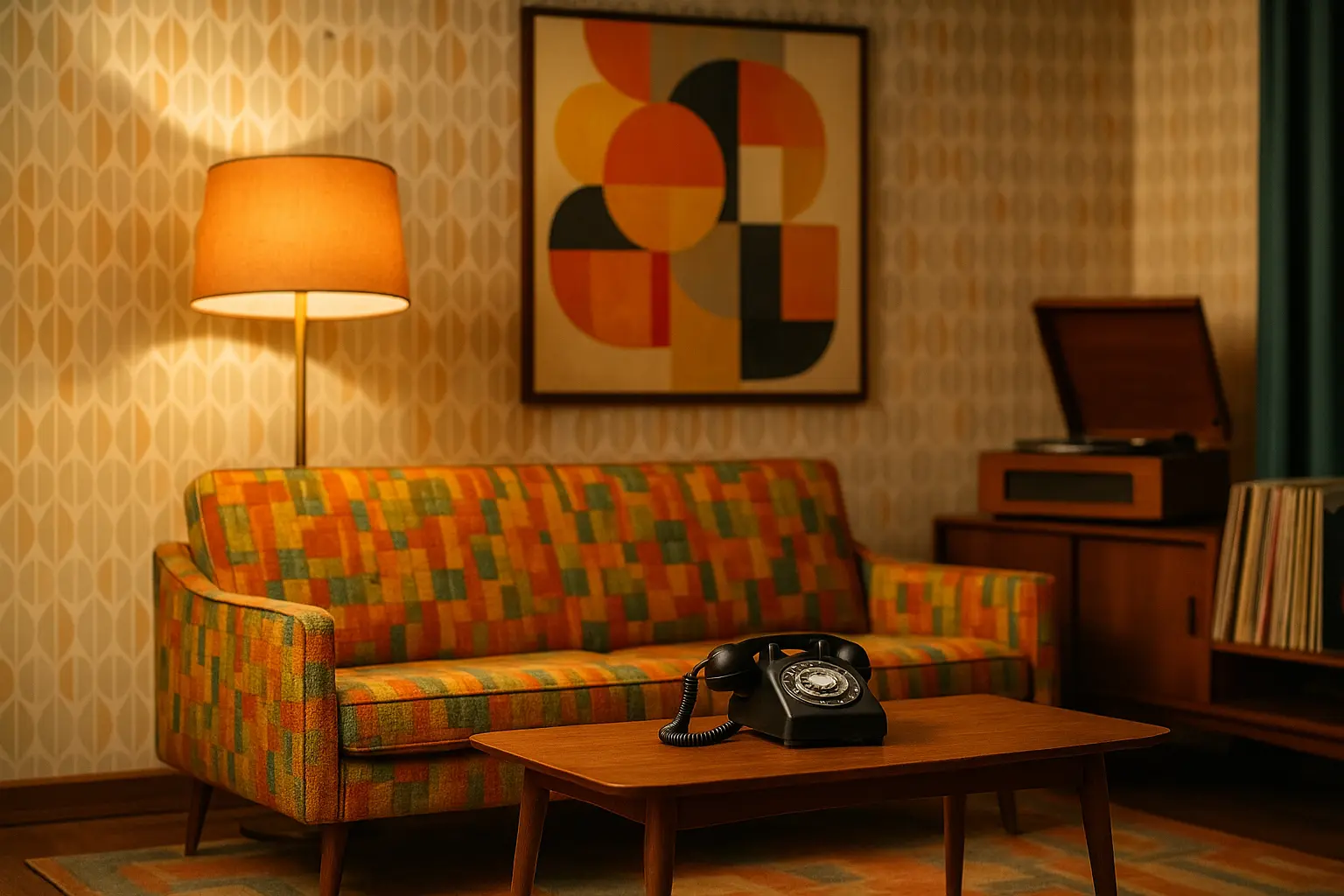
Vintage revival: incorporating retro elements into modern spaces
In a world that constantly lurches forward, vintage design offers a tether to the past, a reminder of timeless elegance and function. The trend of weaving retro elements into contemporary spaces isn’t merely about nostalgia—it’s about creating a dialogue between the past and the present, crafting spaces that tell a story. As we delve into the art of incorporating these elements, let’s explore how they breathe life into our modern interiors, lending them a depth and character that’s truly unique.
The Allure of Vintage Design
Vintage design stands out as a celebration of craftsmanship, quality, and character, bridging the gap between eras. Unlike the fast-paced churn of modern trends, vintage pieces tell stories that resonate with timeless charm.
Embracing the Past
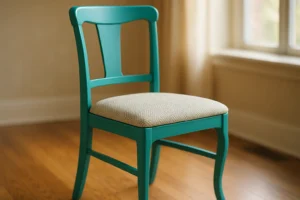
Vintage design is not merely about adopting an older style—it’s about embracing the past’s innovative spirit and infusing it into our everyday environments. Whether we’re talking about a classic mid-century chair or an art deco lamp, these pieces embody an era’s ethos and creativity.
Elements of Distinction
- Materials: Natural woods, luxurious leathers, and robust metals underscore the durability and authenticity of vintage pieces.
- Craftsmanship: Unlike mass-produced items, vintage furniture often showcases meticulous craftsmanship, underscoring human ingenuity and creativity.
- Unique Style: The design elements from different periods, such as the curves of the 60s or the bold lines of the 30s, add a unique flair to our modern spaces.
The Personal Touch
Incorporating vintage elements isn’t about freezing time; it’s about creating a personalized space where modern and retro coexist harmoniously. Each piece acts as a conversation starter, a testament to our personal histories, tastes, and styles.
Retro Meets Modern: Creating a Harmonious Blend
When we talk about merging retro elements into contemporary interiors, we’re exploring a dance between the past and present. The task lies in allowing these seemingly disparate styles to complement rather than clash.
The Magic of Contrast
- Colors: Retro often leans towards bold and vibrant, while modern spaces favor muted tones. By introducing colorful retro pieces, we can create a striking contrast that adds visual interest and depth.
- Textures: Mixing textures like a velvet retro sofa against a sleek modern table can create a tactile experience that enriches the space.
Balance is Key
Achieving balance is crucial in maintaining harmony. A single vintage centerpiece can anchor a room, creating a focal point while modern elements form the supporting cast. Alternatively, scatter smaller vintage pieces throughout a space to weave a consistent narrative.
The Role of Accessories
Accessories play an understated yet vital role in tying a space together. Vintage lamps, art, or even retro-inspired decor can accentuate the theme without overwhelming the essence of modern simplicity.
Functional Fusion
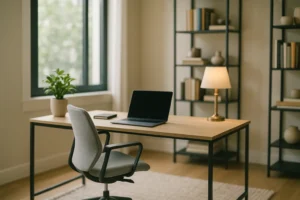
Retro design isn’t merely for aesthetics—it’s about functionality as well. Mid-century furniture, with its ergonomic designs and smart solutions, can seamlessly fit into our contemporary lifestyles, offering both style and utility.
Breathing New Life into Century-Old Spaces
Transforming a space doesn’t always mean starting from scratch. Often, the best renovations involve breathing new life into existing structures and elements.
Preserving the Essence
When working with century-old spaces, preservation is key. Original features like exposed brick walls or wooden beams are treasures worth showcasing. These elements tell the building’s story, serving as a canvas upon which to layer modern design.
A Symphony of Old and New
- Architectural Elements: Retaining original moldings or fireplaces can create a stunning juxtaposition against sleek modern decor.
- Lighting: Vintage-inspired lighting fixtures can highlight and accentuate structural features, creating a warm and inviting ambiance.
Space Optimization
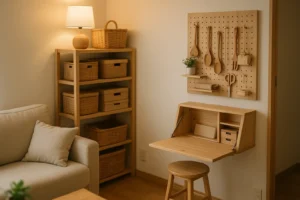
Older homes often come with unconventional layouts. By utilizing modern design principles, we can re-imagine these spaces, optimizing them for contemporary living while preserving their historical character.
Revitalizing with Art
Artwork can play a transformative role, whether it’s a modern piece against an antique backdrop or a classic painting in a minimalist room. Art bridges the gap, inviting conversation and reflection.
The beauty of vintage design in modern spaces lies in its ability to create a harmonious symphony of styles. It’s about more than aesthetics—it’s about crafting spaces that resonate with personal history, offering both functionality and a sense of belonging. As we explore this dynamic interplay of eras, we are reminded that in the world of design, the past and present can coexist, creating timeless interiors that are as unique as the stories they tell.
In the end, when we fuse retro elements into our contemporary spaces, we’re not just decorating; we’re crafting a narrative that pays homage to the past while embracing the future.
FAQ
What are some simple ways to add retro flair to a modern room?
You can incorporate retro elements by adding vintage-inspired furniture, using bold geometric patterns on textiles, and choosing a color palette with hues popular in past decades, such as mustard yellow or avocado green.
How can I ensure a balance between modern and vintage styles in my home decor?
To maintain harmony, select a few standout retro pieces as focal points and pair them with contemporary elements. Mix different textures and materials for contrast, and keep the overall layout minimalistic to prevent the space from feeling cluttered.
What types of retro accessories can I use to enhance my space?
To add a vintage touch, consider incorporating items like rotary dial phones, record players, vintage clocks, or retro art prints. These accessories can add character and a sense of nostalgia to your space.
Are there specific color schemes that work best for a vintage-modern blend?
Yes, you can experiment with warm earthy tones, pastel hues, or monochromatic schemes with a pop of color. These palettes were popular in various retro eras and can seamlessly blend with modern aesthetics.
How can I integrate retro lighting into a modern home?
Consider using pendant lights, lamps with mid-century modern designs, or fixtures with exposed bulbs. These lighting options can add a vintage charm while providing the functionality needed in a modern setting.



Post Comment