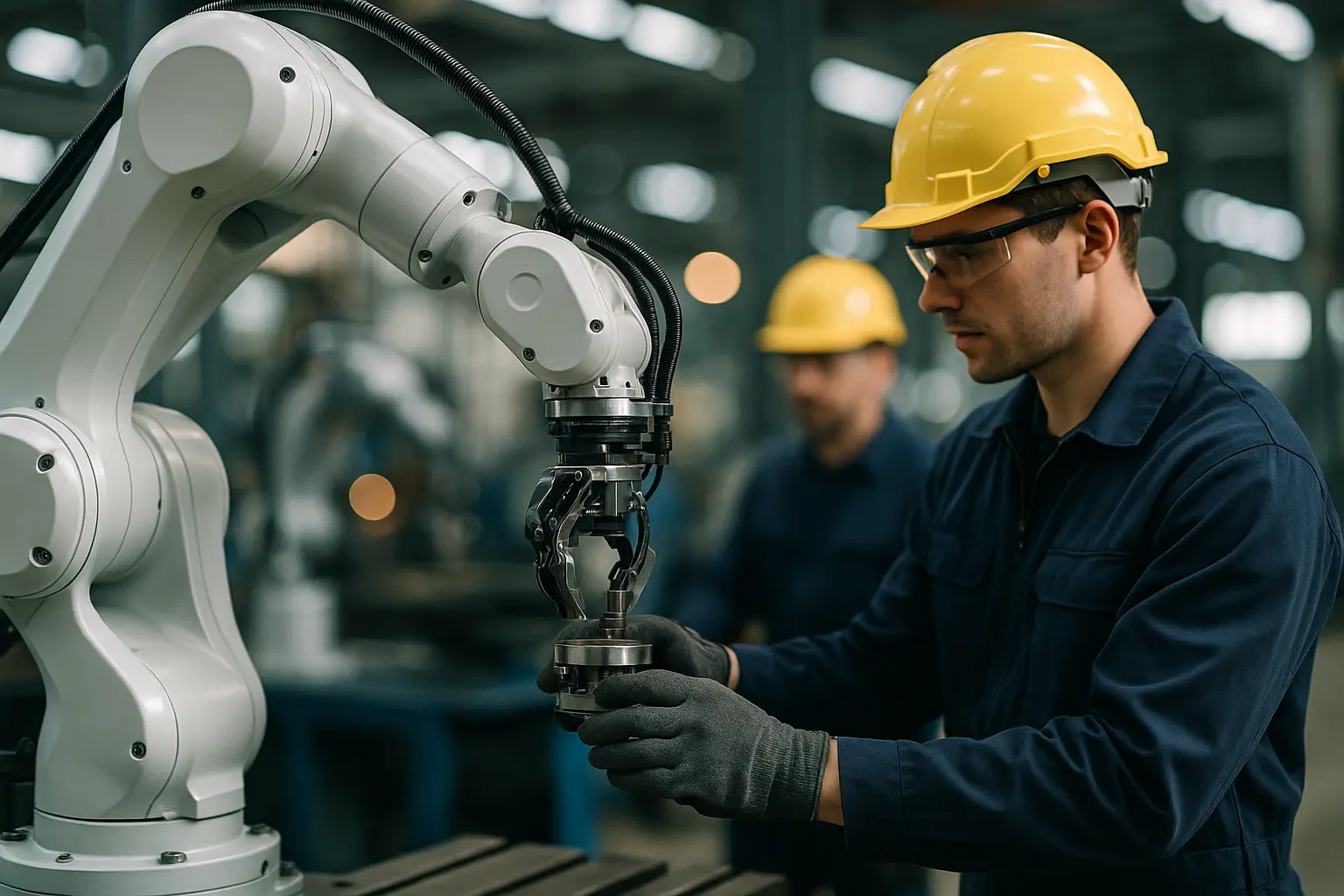
The future of work: automation and the industrial workforce
The world of work as we know it is undergoing a monumental transformation. As we stand at the precipice of this revolution, it becomes increasingly clear that technology is reshaping the way we engage with our jobs. Automation and generative technology are leading this charge, altering the landscape of our current and future workforce. These changes present both challenges and opportunities, and the economic impact they herald cannot be overstated.
As we delve into this topic, let’s explore the implications for the workers, the skills that will be in demand, and how businesses and people alike can adapt to this brave new world. Together, we will navigate the intricate dance of the human and the machine, understanding the balance that must be struck to thrive in this era of rapid technological advancement.
Embracing Automation in the Workplace
Gone are the days when jobs consisted solely of repetitive manual tasks. Today, the integration of automation in the workplace is not just an enhancement; it is a necessity. For many companies, this change means less time spent on tedious labor and more focus on creative, strategic initiatives. But for the workforce, it can feel like an ominous shadow looming over traditional roles.
The core of this transformation lies in the evolving capabilities of technology. Machines, once limited to fulfilling simple functions, can now engage in complex decision-making processes. Data drives these systems, enabling them to analyze patterns, predict outcomes, and perform tasks with unprecedented efficiency. Tasks once requiring human input are now seamlessly managed by automated systems.
However, this doesn’t imply a total eclipse of human involvement. Instead, it prompts a shift in the nature of work. Workers must now equip themselves with the skills to collaborate with these technologies. Critical thinking, problem-solving, and digital literacy become pivotal. Our role transitions from performing tasks to curating and overseeing them.
The economic implications are substantial. While automation may initially displace certain jobs, it also paves the way for new opportunities. Roles will emerge that demand human oversight, creativity, and innovation. Those who successfully adapt will find themselves at the forefront of a dynamic, thriving job market.
The Skills of Tomorrow
In the face of sweeping technological advancements, workers must cultivate a diverse skill set to remain relevant. It is no longer enough to specialize in a singular discipline; instead, a multidisciplinary approach is vital. The future workforce will prioritize adaptability, emotional intelligence, and the ability to work collaboratively with machines.
Generative technology emphasizes the importance of creativity and innovation. As systems become more advanced, so too must our thinking. Our labor force will need to harness imagination and ingenuity, deploying these traits to solve problems and create value in ways automation cannot.
As we prepare for this shift, education and training play a crucial role. Institutions must evolve their curricula to include digital literacy and technology-related courses. Professional development programs in business settings should introduce workers to new tools and processes, ensuring they are equipped to integrate smoothly into an automated environment.
Moreover, the importance of soft skills cannot be overstated. Communication, empathy, and leadership are invaluable in fostering a collaborative, harmonious workplace. The ability to connect with people, to understand their needs and motivations, will complement the analytical capabilities of machines. It is this synthesis of human and machine intelligence that will drive future innovation.
Balancing Human and Machine
The relationship between humans and machines is integral to the future of work. Rather than viewing automation as an adversary, we should embrace it as an ally. When synergized, humans and machines can achieve remarkable feats, enhancing productivity and fostering economic growth.
Companies must foster a culture that encourages people to embrace these changes. This involves cultivating an environment where workers feel secure, supported, and capable of thriving alongside technology. Transparency is key—employees should be informed about the role of automation in the firm, and how it affects individual roles.
We should focus on reducing fear and resistance by offering training and development programs that empower workers. It’s about transforming potential anxiety into excitement and curiosity. By understanding the benefits of machine collaboration, employees become active participants in their own career evolution.
Moreover, ethical considerations must guide the integration of automation. Respect for human dignity and efforts to prevent job displacement should be prioritized. As businesses implement advanced systems, they must remain committed to safeguarding the livelihoods and well-being of their workforce.
The harmony between human and machine is not a distant dream but a tangible reality. It requires thoughtful planning, open communication, and a shared vision of progress. Together, we can harness the capabilities of automation, transforming the way we work and live.
As we stand on the threshold of a new era, the interplay between automation and the workforce unveils endless possibilities. It is our responsibility to navigate this trajectory with insight and intention. By embracing change and fostering a culture of continuous learning, we can ensure that the integration of technology becomes a catalyst for prosperity.
The future of work is not a question of replacing humans with machines, but of enhancing our capabilities through symbiotic collaboration. We have the chance to redefine roles, cultivate skills, and create an inclusive environment where both people and technology thrive.
As we move forward, let us champion a future where work is not just a means to an end, but a journey of discovery, empowerment, and growth. The road ahead may be challenging, but it is also rich with promise and potential. Together, we will shape a world where the possibilities are as boundless as our imagination.
FAQ
What impact will automation have on traditional industrial jobs?
Automation is set to transform the industrial sector by streamlining processes, reducing the need for manual labor in repetitive tasks, and increasing productivity. While this may lead to the displacement of some jobs, it will also create opportunities for new roles focused on managing and maintaining automated systems.
Which industries are most likely to be affected by automation?
Industries such as manufacturing, logistics, and warehousing are at the forefront of the automation wave. These sectors often involve repetitive tasks that can be efficiently handled by machines, allowing businesses to operate more effectively and with greater precision.
How can workers prepare for changes brought about by automation?
Workers can adapt by gaining new skills, particularly in technology and data analysis, which are becoming increasingly valuable. Continuous learning and upskilling in areas such as robotics maintenance, programming, and complex problem-solving will be crucial for career longevity in an automated future.
Will automation lead to a decrease in employment opportunities?
While automation may reduce the demand for certain types of jobs, it is also expected to generate new opportunities in tech development, system oversight, and process optimization. The overall effect on employment will depend on how industries and workers adapt to the changes.
How will automation affect the skills required in the industrial workforce?
As automation becomes more prevalent, there will be a shift towards a demand for technical skills. Employees will need to become proficient in operating and troubleshooting automated systems, requiring a blend of mechanical and digital expertise.











Post Comment