Sustainable interiors: eco-friendly materials and practices
In a world where sustainability is not just a trend but a necessity, we find ourselves at the forefront of a transformative shift in the way we design our interiors. Eco-friendly materials and practices have become pivotal in crafting spaces that are not only beautiful but also kind to our planet. Welcome to the new era of design, where every choice we make in our interior spaces can significantly impact the environment. Let’s explore how we can harness the power of sustainable design to create homes, offices, and commercial spaces that align with our commitment to a better world.
Harnessing Natural Materials
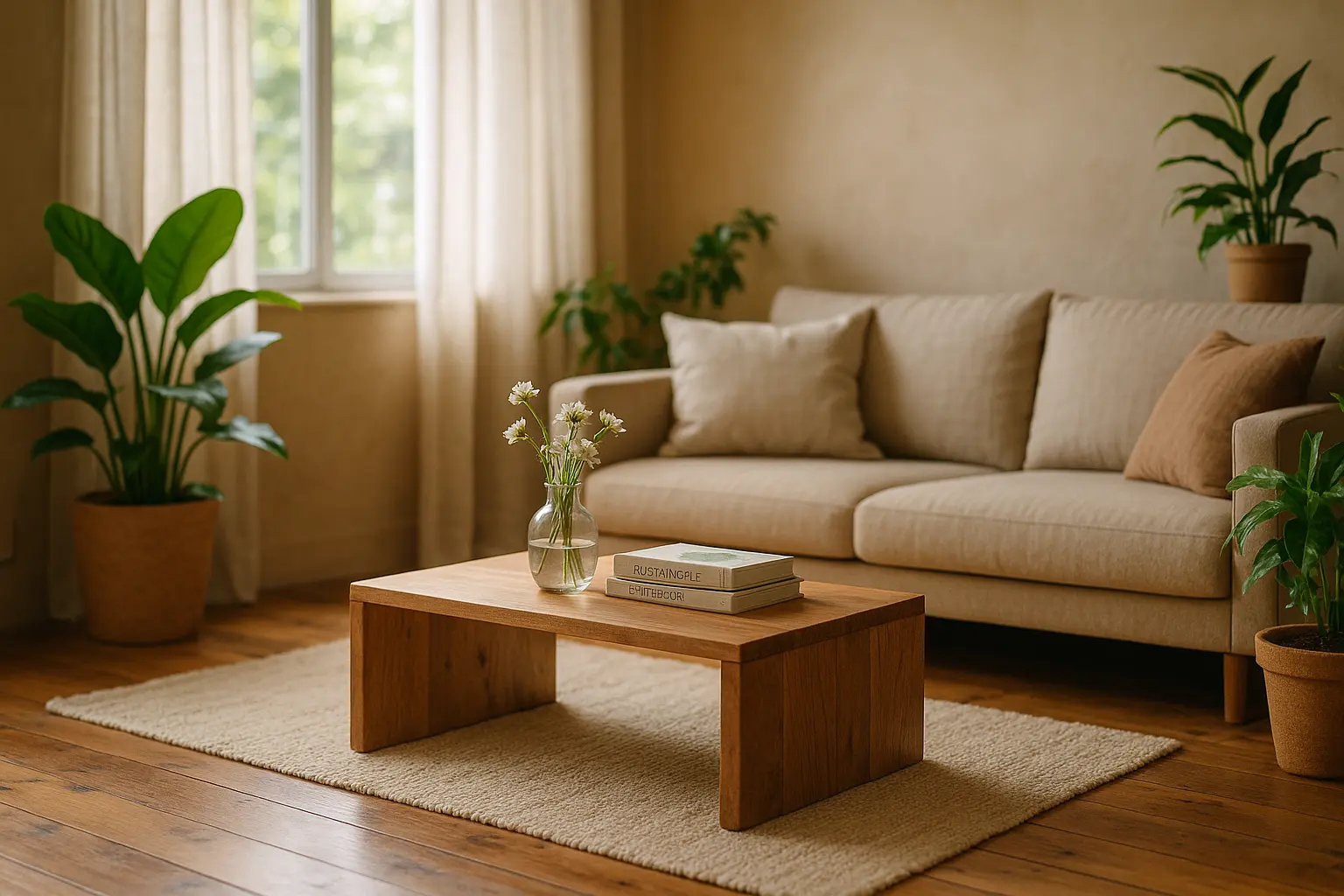
When it comes to sustainable interiors, the materials we choose play a crucial role. It’s about selecting resources that are not only aesthetically pleasing but also environmentally friendly. Wood, for instance, when sourced responsibly, is a fantastic choice. It is renewable, biodegradable, and has a minimal carbon footprint. Using reclaimed or recycled wood further enhances its sustainability credentials.
Stone is another natural element that brings timeless elegance while being incredibly durable. Choosing local quarry stone minimizes transportation emissions, supporting local economies and reducing carbon footprints.
Let’s not forget materials like bamboo, celebrated for its rapid growth and ability to absorb more CO2 and release more oxygen than most other plants. As a versatile material, bamboo can be used for furniture, flooring, and even as decorative elements.
Another exciting avenue is the use of innovative materials like cork. Harvested from the bark of cork oak trees without harming the tree, cork is an excellent insulator and shock absorber, providing practical benefits beyond its eco-friendly appeal.
By embracing these natural materials, we are not just creating stunning spaces; we are making a conscious effort to reduce our environmental impact.
Designing Energy-Efficient Spaces
Creating energy-efficient interiors is at the heart of sustainable design. By optimizing the way we use energy, we can significantly reduce our carbon footprint and create interiors that are in harmony with nature.
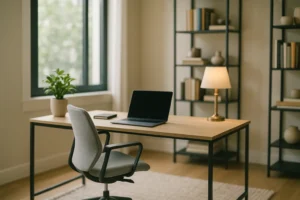
Lighting is one of the most impactful areas. Using LED lights, which consume less energy and have a longer lifespan, is a sustainable choice. Incorporating natural light through well-placed windows and skylights not only reduces energy consumption but also enhances the ambiance of any space.
Incorporating smart technology can further enhance efficiency. Smart thermostats, for instance, learn usage patterns and adjust heating and cooling, optimizing energy use without compromising comfort.
Strategic insulation is another way to enhance energy efficiency. By keeping spaces warm in the winter and cool in the summer, effective insulation reduces the need for excessive heating or cooling, thereby conserving energy.
Moreover, when designing interiors, it’s essential to consider the placement of furniture. Positioning larger pieces near external walls can create natural barriers that help maintain indoor temperatures.
By focusing on energy efficiency, we can design spaces that not only look good but also function responsibly.
Minimizing Waste: A Conscious Approach
In our quest for sustainable interiors, minimizing waste is paramount. It’s about adopting a mindset where every element used has a purpose, and nothing goes to waste.
One of the most effective strategies is to embrace the principles of the circular economy. This involves selecting materials that can be reused, recycled, or upcycled, minimizing the amount that ends up in landfills.
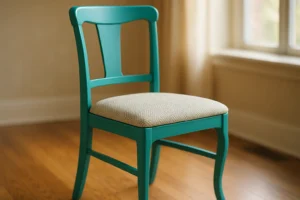
Furniture is a great place to start. Opt for pieces made from recycled or reclaimed materials. Embrace vintage and second-hand furniture, which not only adds character but also reduces the demand for new resources.
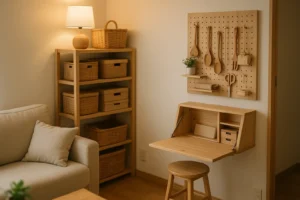
When designing or renovating spaces, consider modular and flexible designs. These adaptable solutions allow for easy reconfiguration, reducing the need for new materials over time.
Water conservation is another critical aspect. Fixtures that reduce water usage, such as low-flow taps and toilets, make a significant difference. Harvesting rainwater for use in gardens or as greywater also contributes to a more sustainable approach.
By consciously minimizing waste, we are committing to a design ethos where every choice respects the planet.
The Future of Sustainable Interiors
As we look ahead, the future of sustainable interiors is bright. We are witnessing a growing commitment to integrating eco-friendly practices in every aspect of design, from homes to commercial spaces.
Innovative materials like hempcrete and mushroom-based composites are paving the way for the next generation of sustainable building materials. These options not only have low environmental impacts but also offer incredible versatility and durability.
Technology is another frontier. Smart home systems are revolutionizing how we interact with our living spaces, allowing for energy conservation and efficiency at unprecedented levels.
Education is key. By raising awareness and sharing knowledge about sustainable practices, we can inspire future generations to prioritize sustainability in their designs. Collaboration across industries will drive innovation as we work together to find solutions that balance aesthetics with environmental responsibility.
As we continue to embrace these principles, we are not just designing spaces; we are crafting a legacy of sustainability that will resonate for years to come.
In our journey towards sustainable interiors, every decision counts. By choosing eco-friendly materials, designing energy-efficient spaces, and minimizing waste, we are making strides towards a more sustainable future. These efforts extend beyond mere aesthetics, impacting the environment and creating spaces that resonate with sustainability and responsibility. Together, let’s continue to innovate, inspire, and lead the way in designing interiors that are as friendly to the planet as they are to our senses. Let’s create a lasting impact, one thoughtful choice at a time.
FAQ
What are some eco-friendly materials commonly used in sustainable interior design?
Eco-friendly materials in sustainable interior design include bamboo, reclaimed wood, recycled metal, cork, and organic cotton. These materials are chosen for their minimal environmental impact and renewability.
How does using recycled materials benefit sustainable interiors?
Incorporating recycled materials minimizes waste, reduces the need for new raw materials, and often requires less energy to produce. This approach not only conserves resources but also reduces the carbon footprint of interior projects.
Are there advantages to using low-VOC paints in home interiors?
Yes, low-VOC (Volatile Organic Compounds) paints release fewer toxic emissions, improving indoor air quality and reducing health risks. They are a healthier and more environmentally responsible choice for interior spaces.
How can natural lighting contribute to sustainable interior design?
Natural lighting reduces the need for artificial lighting, saving energy and reducing electricity costs. It also enhances well-being by creating a more pleasant and healthy living environment.
What role do energy-efficient appliances play in eco-friendly interiors?
Energy-efficient appliances reduce energy consumption, lower utility bills, and decrease the environmental impact of a home. They are a key component of sustainable interiors, promoting a more resource-conscious lifestyle.






Post Comment