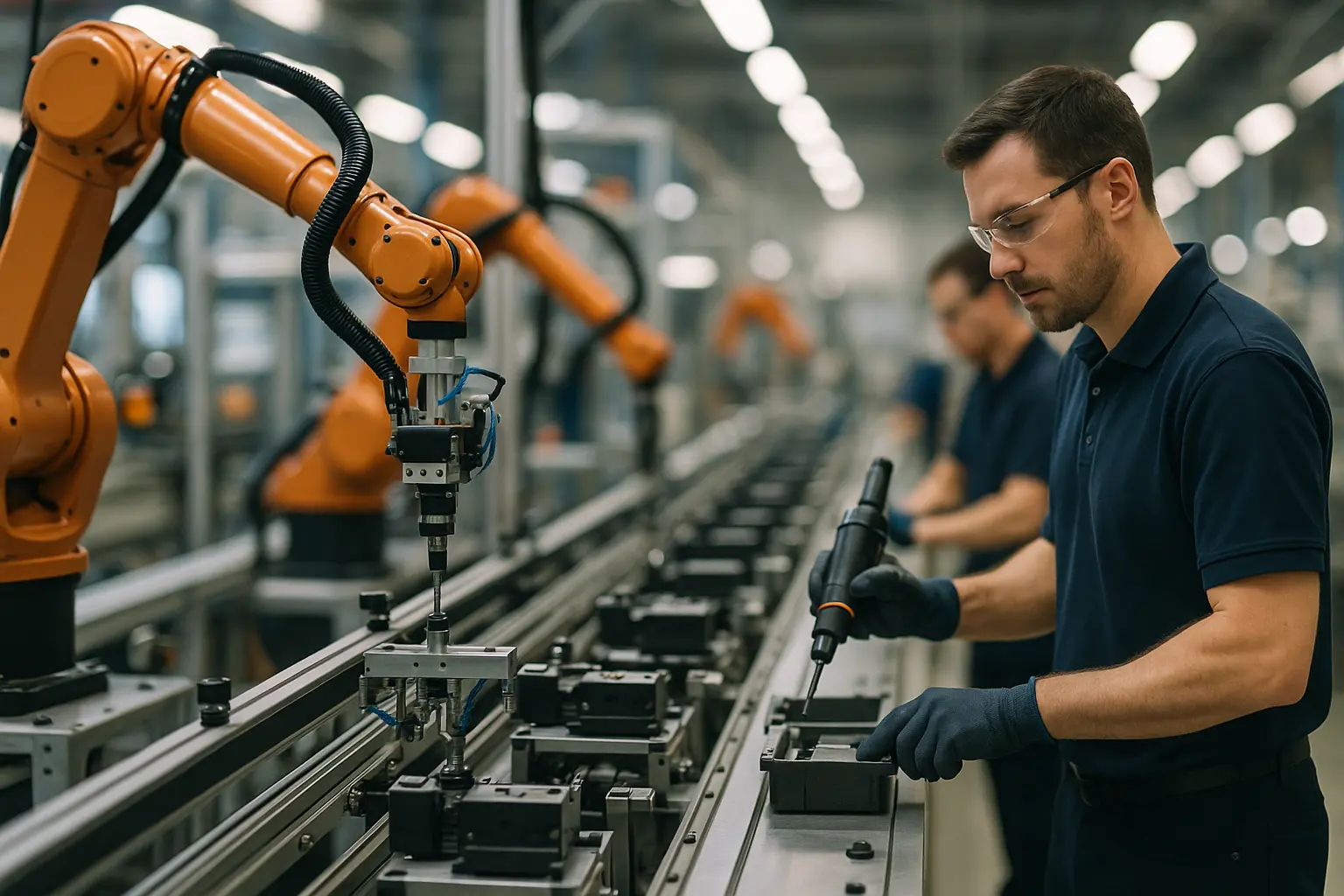
Lean manufacturing techniques: streamlining for success
In an era where businesses are constantly on the lookout for strategies to maximize quality while minimizing waste, the concept of lean manufacturing stands as a beacon of efficiency. As we find ourselves in 2025, the principles of lean have transcended traditional production processes to become a cornerstone of operations management. Our goal is to explore how these techniques can improve business flow, reduce inventory, and enhance the overall customer experience. Join us as we delve into the world of lean and unravel its potential to transform today’s organizations.
The Principles of Lean Manufacturing
Let’s start by unraveling the foundation that Lean manufacturing rests upon. At its core, lean is about creating more value for customers with fewer resources. The key principles guiding this approach include:
-
Value: This begins with defining what is of utmost importance to our customers. By understanding what they truly value, we can tailor our processes to meet these expectations without unnecessary frills.
-
Value Stream: Once value is identified, mapping the entire production path allows us to visualize where waste occurs. This step is crucial in pinpointing redundancies, enabling a smoother and more efficient flow.
-
Flow: Establishing a seamless process ensures that every step transitions effortlessly into the next, eliminating bottlenecks and delays.
-
Pull System: By adopting a pull rather than a push approach, we produce only what is necessary when it is demanded—optimizing inventory levels and reducing time.
-
Perfection: Lean is not a one-time effort; it champions continuous improvement. By constantly refining our methods and tools, we strive for perfection in every operation.
By embracing these principles, organizations are well-equipped to foster a culture of ongoing improvement that not only drives efficiency but elevates the overall customer experience.
Implementing Lean: Tools and Techniques
Equipped with a clear understanding of lean principles, we can now explore the arsenal of tools available to implement these ideas effectively. Organizations across industries have embraced these tools to transform their day-to-day operations and create a more dynamic environment.
-
5S: Derived from five Japanese words, this method focuses on workplace organization and efficiency. It involves sorting, setting in order, shining, standardizing, and sustaining the environment. A tidy workspace enhances productivity and reduces time spent searching for items.
-
Kaizen: Translating to “change for the better,” kaizen focuses on small, incremental changes that collectively lead to significant improvement. By involving employees in this process, we foster a culture of collaboration and growth.
-
Just-In-Time (JIT): JIT emphasizes producing only what is needed, when it is needed. This approach reduces inventory costs, minimizes waste, and ensures products are always fresh.
-
Kanban: A visual tool, Kanban helps manage workflow by providing a clear view of where each task stands in the production line. It aids in balancing demand with capacity and improving overall flow.
By integrating these tools into our operations, we can unlock the true potential of lean, creating an agile and responsive system that thrives in today’s competitive landscape.
The Impact of Lean on Modern Organizations
Incorporating lean manufacturing techniques into our daily operations has far-reaching effects on organizations, reshaping them in myriad ways. From enhancing quality to boosting efficiency, the impact is both profound and transformative.
-
Quality Enhancement: Through meticulous attention to process and detail, lean ensures that products are crafted with the highest standards, delighting customers and fostering loyalty.
-
Efficiency Gains: By streamlining processes and eliminating waste, we not only accelerate production but also make optimal use of resources, driving down costs and boosting profitability.
-
Employee Empowerment: Lean encourages a culture where every team member’s voice is valued, promoting engagement and innovation.
-
Agility: In today’s fast-paced environment, being able to adapt swiftly is a competitive edge. Lean equips organizations with the tools to respond to market changes with agility and nimbleness.
-
Sustainability: By focusing on reducing waste and optimizing resource use, lean contributes to more sustainable practices, aligning business goals with environmental responsibility.
The synergy of these benefits makes lean an indispensable part of modern management strategies, ensuring that organizations are well-prepared to thrive in the ever-evolving business landscape.
As we move forward in 2025, lean manufacturing remains a powerful vehicle for driving continuous improvement and innovation. It is not merely a set of tools but a comprehensive system that permeates every facet of an organization. By embracing its principles and techniques, businesses can unlock unprecedented levels of quality, efficiency, and customer satisfaction.
In a world where change is the only constant, lean provides us with the flexibility to navigate uncertainties with confidence. It champions a culture of collaboration, empowerment, and sustainability—an ethos that resonates with the values of modern society.
By streamlining our operations, reducing inventory, and focusing on value-driven processes, we not only prepare for the demands of today but also lay the groundwork for a future of success. With lean, the possibilities are limitless, and the journey has only just begun.
FAQ
What is lean manufacturing and why is it important?
Lean manufacturing is a production methodology aimed at reducing waste without sacrificing productivity. It focuses on delivering maximum value to the customer while utilizing fewer resources. Its importance lies in its ability to enhance efficiency, improve quality, and increase profitability.
How can a company start implementing lean manufacturing principles?
To begin implementing lean manufacturing, a company should start by identifying the value stream for products and services. This involves mapping each step in the production process, recognizing areas of waste, and optimizing workflows to enhance efficiency and reduce unnecessary costs.
What are the common tools and techniques used in lean manufacturing?
Some common lean manufacturing tools include 5S (Sort, Set in order, Shine, Standardize, Sustain), Kaizen (Continuous Improvement), Kanban (Visual Workflow Management), and Value Stream Mapping. These tools help streamline processes, improve organization, and sustain productivity.
How does lean manufacturing contribute to improved product quality?
Lean manufacturing improves product quality by emphasizing error prevention, continuous improvement, and standardization. By focusing on efficient processes and reducing variability, companies can consistently produce high-quality products that meet customer expectations.
What challenges might a company face when transitioning to lean manufacturing?
Companies may encounter challenges such as resistance to change, lack of training, and difficulty in identifying waste. Overcoming these hurdles involves fostering a culture of continuous improvement, investing in employee training, and engaging leadership to drive lean initiatives.











Post Comment