Upcycling furniture: transform old pieces into modern treasures
Turning the seemingly obsolete into something fresh and dazzling is an art form we like to call upcycling. This creative movement breathes new life into old furniture, wood, and vintage treasures, transforming them into unique pieces that redefine our spaces. Imagine a faded armchair painted with vibrant hues, or a rustic table repurposed as an artistic centerpiece. As society seeks sustainable ways to enrich their living environments, upcycling emerges as a beacon of design innovation and ecological responsibility. Join us as we delve into the world of upcycling, exploring its potential to not just revive materials, but to create an enduring impact on our lives and spaces.
Breathing New Life Into Old Furniture
Furniture often holds sentimental value, whispering tales of bygone eras. These pieces, however, don’t have to remain relics of the past. Through upcycling, we can transform these items into modern masterpieces. This creative process involves more than just a simple touch-up; it’s about reinventing the piece entirely.
Why Choose Upcycling Over Buying New?
Opting to upcycle rather than purchase new pieces has multiple benefits. It allows us to maintain the charm of history while aligning with current decor trends. Moreover, it’s a sustainable choice. By reusing existing materials, we reduce demand for new resources, contributing to a more eco-friendly lifestyle.
Techniques to Transform Your Space
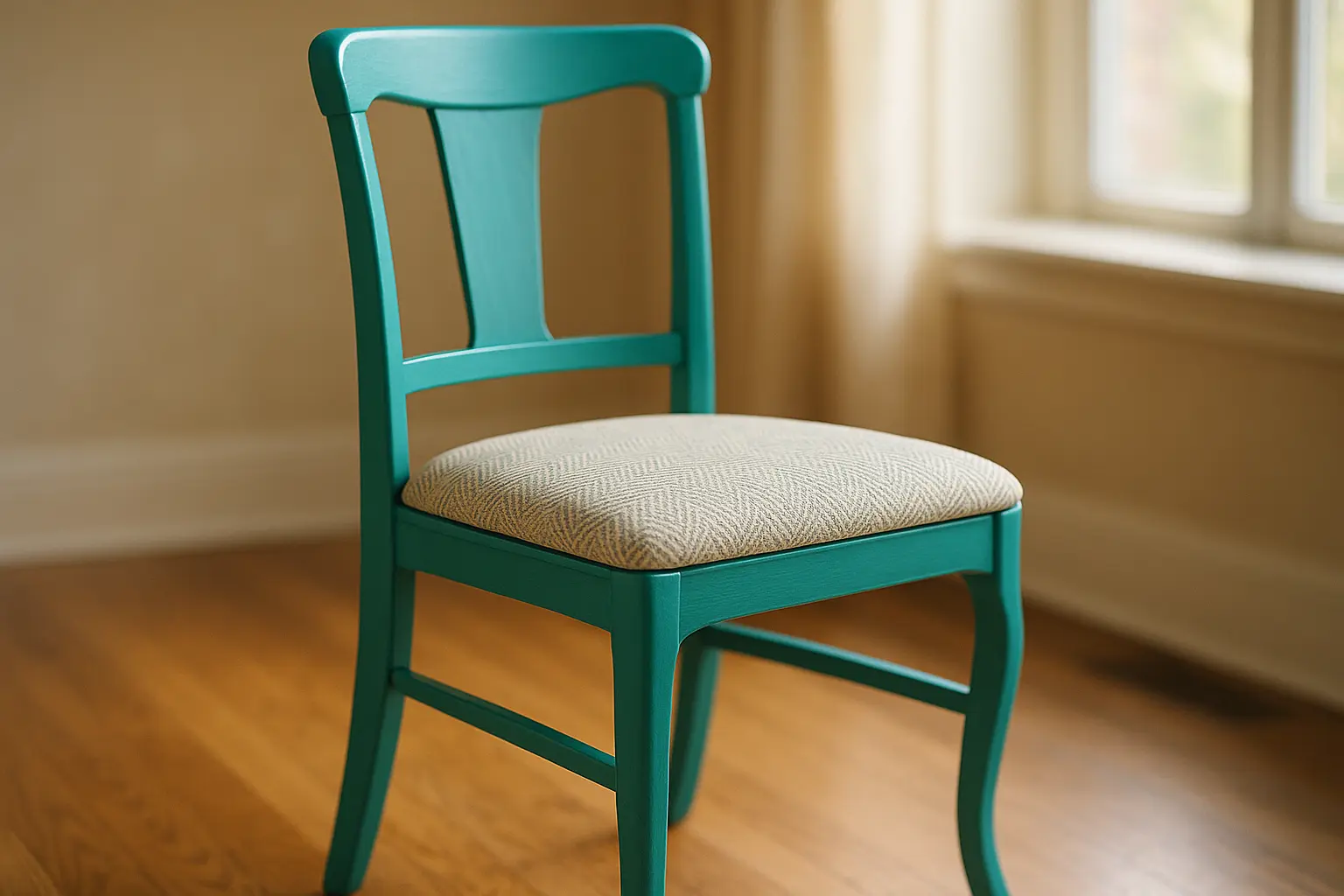
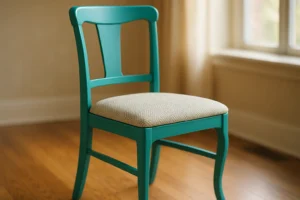
The approach to upcycling is as diverse as the pieces themselves. A coat of paint can revitalize the most tired of chairs, while creatively rearranging materials can turn an old dresser into a trendy wine rack. These artistic endeavors not only refresh the items but also offer a unique design statement that can’t be replicated by factory-produced pieces.
Courses to Ignite Your Upcycling Passion
For those eager to delve deep into the world of upcycling, various courses are available that teach everything from basic skills to advanced techniques. These sessions empower enthusiasts to experiment, innovate, and ultimately breathe life into forgotten treasures. Whether it’s learning how to master distressing techniques or understanding color theory, these educational opportunities are invaluable for both beginners and seasoned upcyclers.
The Art of Selecting the Perfect Piece
When embarking on an upcycling project, the selection of the original piece is a pivotal first step. Each item holds a potential story waiting to be rewritten, and choosing the right piece is akin to selecting a canvas for a painting.
Identifying Potential in the Unseen
Look beyond the surface wear and tear. That scratched tabletop or chipped sideboard may seem unremarkable at first glance, but with a discerning eye, we can perceive its unique potential. Vintage pieces often come with distinctive features, such as intricate carvings or solid wood frames, that make them perfect candidates for upcycling.
Understanding Materiality and Space
It is crucial to consider the materials involved. Wood is a versatile medium, lending itself well to various finishes and textures. Additionally, evaluate the space where the piece will be displayed. This consideration ensures that the revamped item complements the decor while adding character to the environment.
Creating a Vision for the Transformation
Before picking up a brush or drill, picture the final result. Establish a clear concept of the desired outcome, incorporating inspiration from current design trends. This creative vision serves as a roadmap for the project, ensuring that every step aligns with a cohesive plan.
Designing Spaces with Upcycled Pieces
Integrating upcycled furniture into our living spaces offers an avenue to showcase our personal style and environmental consciousness. These pieces, each with its own history, serve as conversation starters and focal points within a room.
Crafting Harmony in Design
The introduction of upcycled items requires balance. Mix and match with modern elements to create an eclectic yet harmonious decor. For instance, an industrial loft-style space can be complemented with a vintage dresser turned contemporary media console.
Embracing Boldness and Creativity
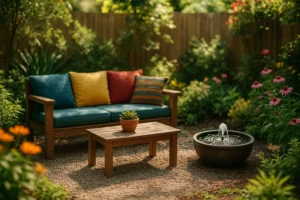
Don’t shy away from bold design choices. Whether it’s a vibrant paint job or unexpected material combinations, express your creative flair. An old wooden door can become a rustic headboard, while mismatched chairs add personality to a dining set.
Utilizing Space Efficiently
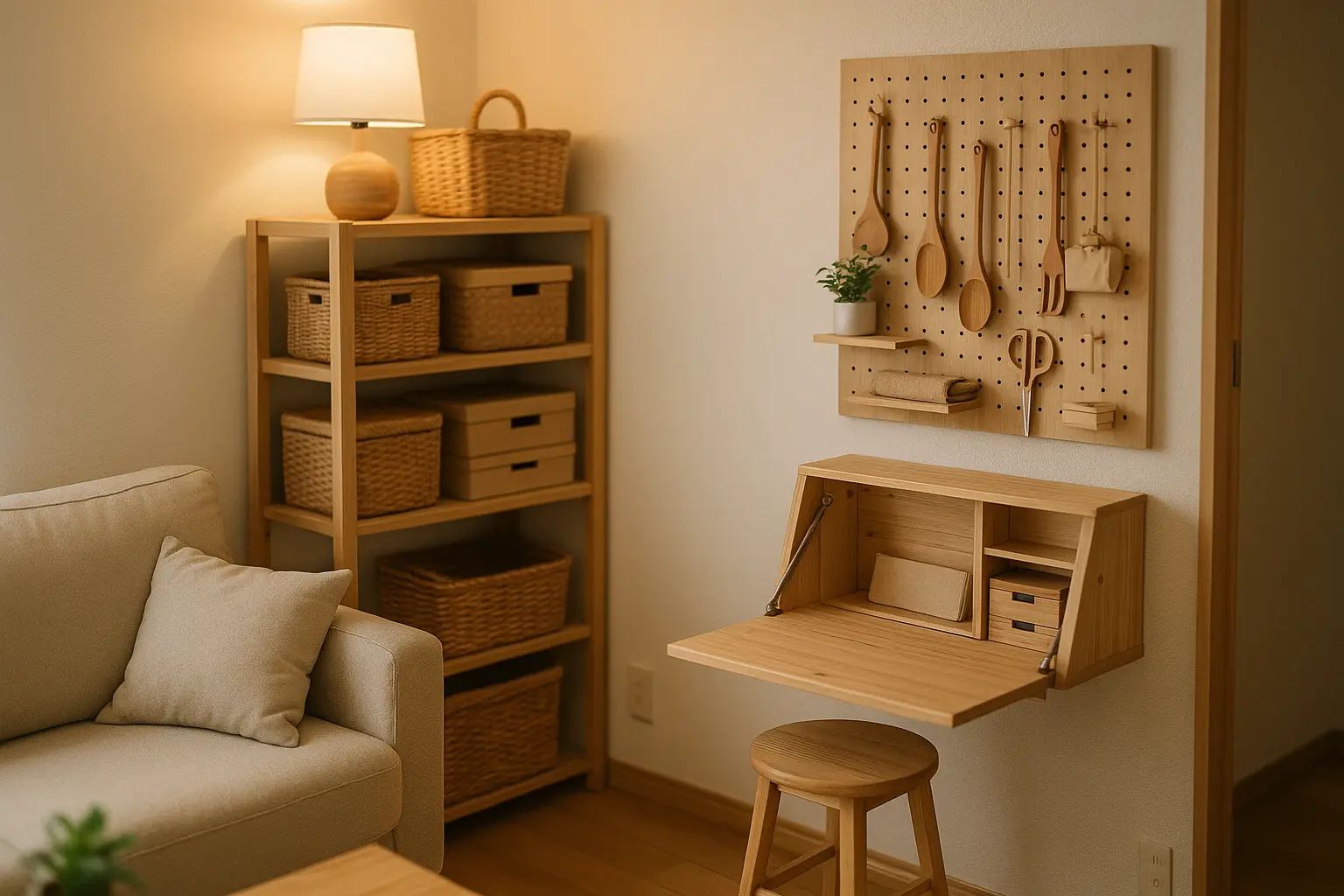
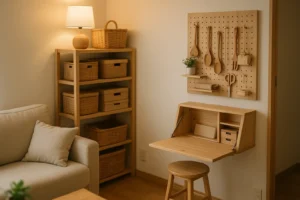
Upcycling also offers a practical solution for maximizing space. Multifunctional pieces, such as a folding table made from a reclaimed wood panel, merge form with function. This adaptability is essential in modern living environments, where space is often at a premium.
The Lifelong Benefits of Upcycling
Beyond the immediate aesthetic enhancements, upcycling delivers long-term advantages, enriching both our personal and environmental lives.
Cultivating a Sustainable Lifestyle
As upcycled items find their place in our homes, they symbolize a commitment to sustainability. Each piece represents a step away from disposable culture, encouraging others to consider creative alternatives. This shift contributes to a broader ecological impact, reducing waste and conserving resources.
Fostering Creative Growth and Satisfaction
Embracing upcycling also nurtures our creative instincts, offering a platform for artistic expression and problem-solving. There’s immense satisfaction in witnessing the transformation of an outdated item into something fresh and unique. Each project becomes a testament to our ingenuity and vision.
Economic and Community Advantages
On a community level, upcycling stimulates local economies by supporting artisans, workshops, and courses. Furthermore, it often involves collaboration, fostering a sense of community and shared passion for reinvention and design.
Upcycling is more than a trend—it’s a movement that combines creativity, sustainability, and innovation. By transforming old furniture into modern treasures, we redefine value and beauty, leading a change that positively impacts our spaces and the planet. Let’s embrace this opportunity to innovate and inspire, turning the mundane into the magnificent.
FAQ
What is upcycling, and how does it differ from recycling?
Upcycling involves creatively repurposing old furniture into something new and useful, while recycling breaks down materials to create entirely new products. Upcycling retains the original item’s form and enhances its value.
How can I identify furniture pieces suitable for upcycling?
Look for furniture with sturdy construction, solid wood, or quality materials. Even if the piece is outdated or damaged, its foundational integrity makes it a great candidate for transformation.
What are some beginner-friendly upcycling projects?
Start with simple projects like repainting a wooden chair, reupholstering a small ottoman, or adding new hardware to a chest of drawers. These projects require minimal tools but can greatly enhance the piece’s appearance.
Which tools and materials are essential for upcycling furniture?
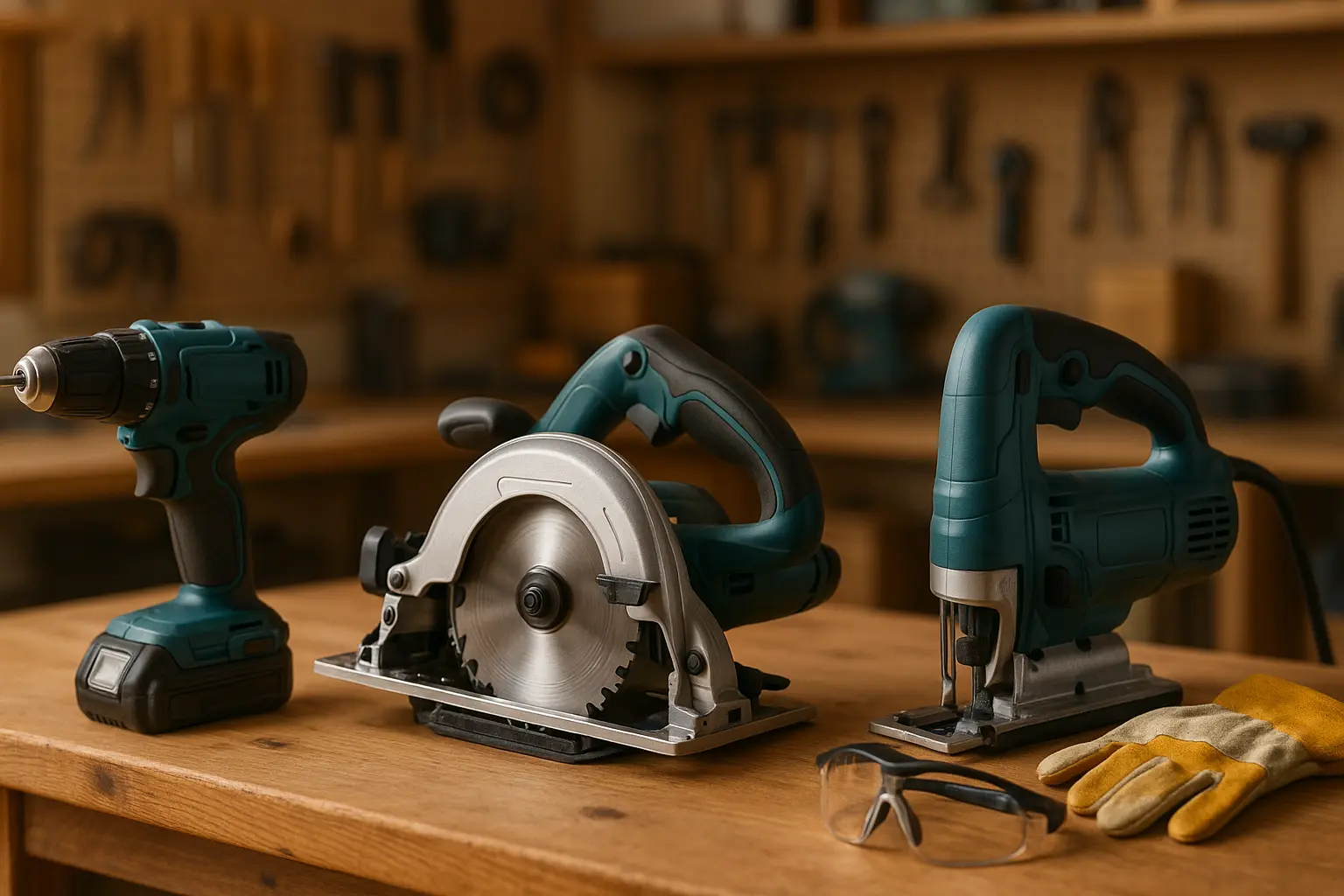
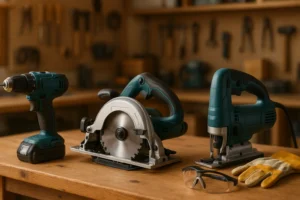
Basic tools like sandpaper, paintbrushes, a screwdriver set, and a staple gun are essential. Depending on the project, you might also need fabric, paint, wood glue, or decorative knobs.
How do I ensure the upcycled furniture is both functional and appealing?
Balance aesthetics with practicality. Choose color schemes and designs that fit your space, and ensure any modifications enhance the piece’s usability. Regularly check that all parts are secure and the piece retains its functionality.




Post Comment