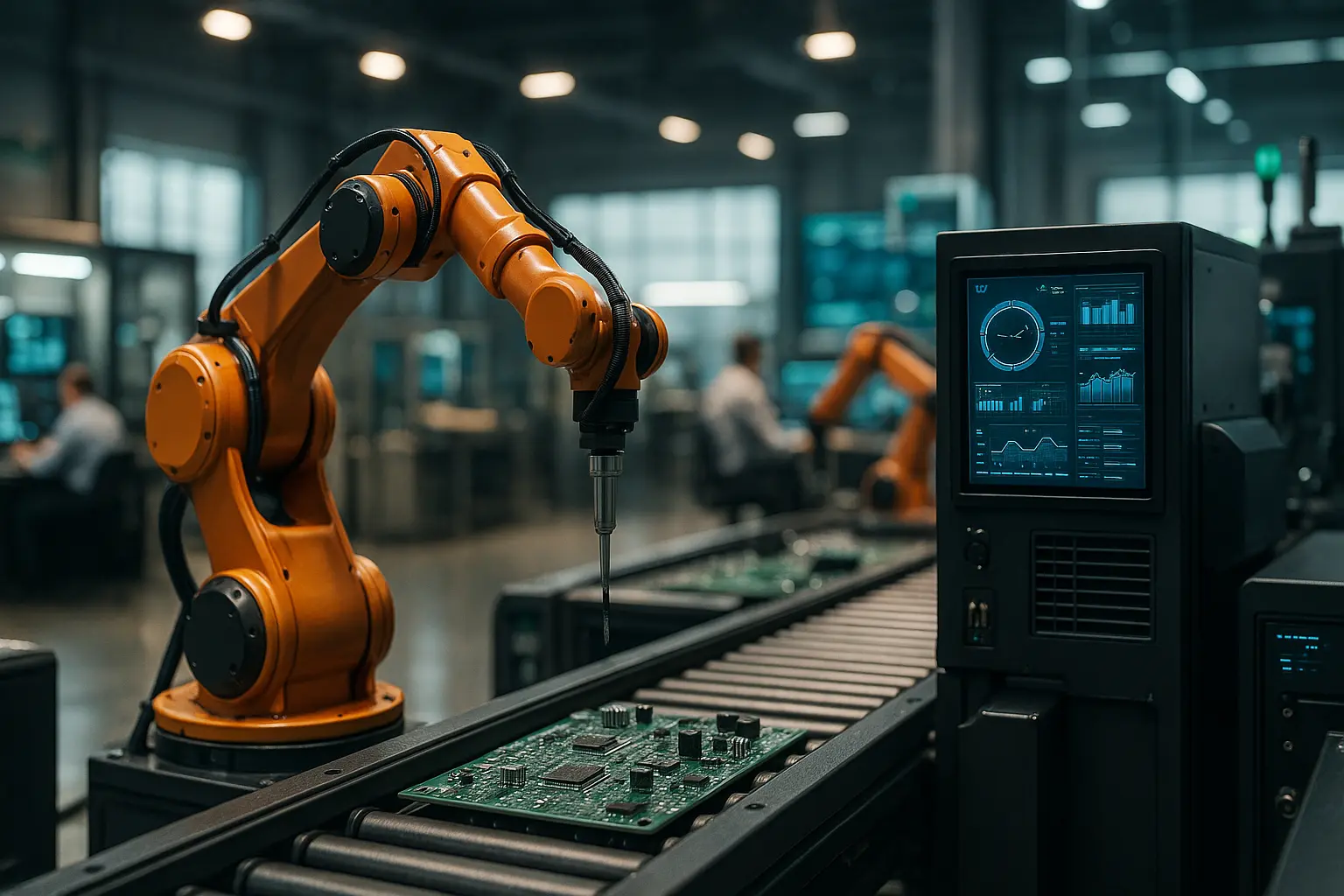
Smart factories: integrating IoT for enhanced production
Welcome to the future of manufacturing—a realm where intelligent systems and smart devices converge to transform traditional factories into cutting-edge smart factories. The age of the Industrial Internet of Things (IIoT) has arrived, promising to revolutionize our industry with real-time data capabilities and enhanced operational efficiency. As we stand on the cusp of this transformative era, it’s time to explore how IoT is not only reshaping the landscape of production but also redefining the very essence of how we perceive manufacturing processes. Join us as we delve into the details of this technological evolution, where data-driven decisions and smart solutions pave the way for a smarter, more efficient future.
The Rise of IoT in Manufacturing
In the fast-paced world of manufacturing, the integration of the Internet of Things (IoT) has emerged as a game-changer. But what is driving this transformation?
Firstly, the need for real-time data has never been more critical. As manufacturers, we understand the importance of having instant access to the right information to make informed decisions. IoT devices empower us with the ability to gather, analyze, and apply insightful data across the production floor, ensuring efficiency and quality are maintained at every step.
Moreover, IoT enhances the connectivity within our manufacturing systems. By enabling seamless communication between equipment, systems, and personnel, we can eliminate traditional silos, thus promoting a more collaborative environment. This connectivity ensures that each component of the production system works in harmony towards achieving optimum productivity.
Additionally, smart factories equipped with IoT technologies offer unparalleled flexibility. By leveraging connected devices, manufacturers can swiftly adapt to changes in consumer demands, market trends, or production requirements. This adaptability not only enhances customer satisfaction but also drives competitive advantage in a rapidly evolving industry landscape.
As we embrace this technological frontier, we recognize that the implementation of IoT doesn’t just optimize one aspect of our operations; it transforms the very foundations of how we manufacture, produce, and innovate.
Transforming Production Processes
In the realm of production, IoT provides us with opportunities to enhance processes in ways previously unimaginable. By integrating smart systems into our production lines, we can achieve unprecedented levels of precision and efficiency.
One of the most significant impacts of IoT is in predictive maintenance. Gone are the days of scheduled maintenance that interrupts production schedules. Instead, IoT-enabled sensors continuously monitor equipment conditions, predicting when maintenance is needed based on real-time data. This proactive approach not only reduces downtime but extends the lifespan of our machinery, ultimately leading to cost savings and enhanced productivity.
Furthermore, IoT plays a pivotal role in quality control. By implementing smart sensors at various stages of production, we can ensure that every product meets the highest standards. These sensors detect anomalies and deviations, allowing us to address issues promptly, thus maintaining consistency and minimizing waste.
Moreover, the integration of IoT allows for more efficient use of resources, leading to sustainable manufacturing practices. Through data analysis and optimization, we can reduce energy consumption, material waste, and overall environmental impact.
As manufacturers, embracing IoT means embarking on a journey towards innovation and excellence. It is about redefining our processes to align with the demands of a modern, data-driven world.
Enhancing Factory Operations with Smart Solutions
In today’s competitive landscape, the quest for efficiency and innovation drives us to explore smart solutions that redefine factory operations. The Industrial IoT opens doors to a myriad of opportunities, allowing us to streamline operations and enhance decision-making processes.
By deploying smart devices strategically throughout our factories, we gain unparalleled visibility into every facet of our operations. These interconnected devices provide us with a holistic view of the production environment, enabling us to identify bottlenecks, optimize workflows, and improve resource allocation.
Moreover, the data derived from IoT devices aids in continuous improvement. By harnessing analytics, we can identify patterns and trends that empower us to make informed strategic decisions. This data-driven approach not only enhances productivity but also equips us with the agility needed to respond to market dynamics swiftly.
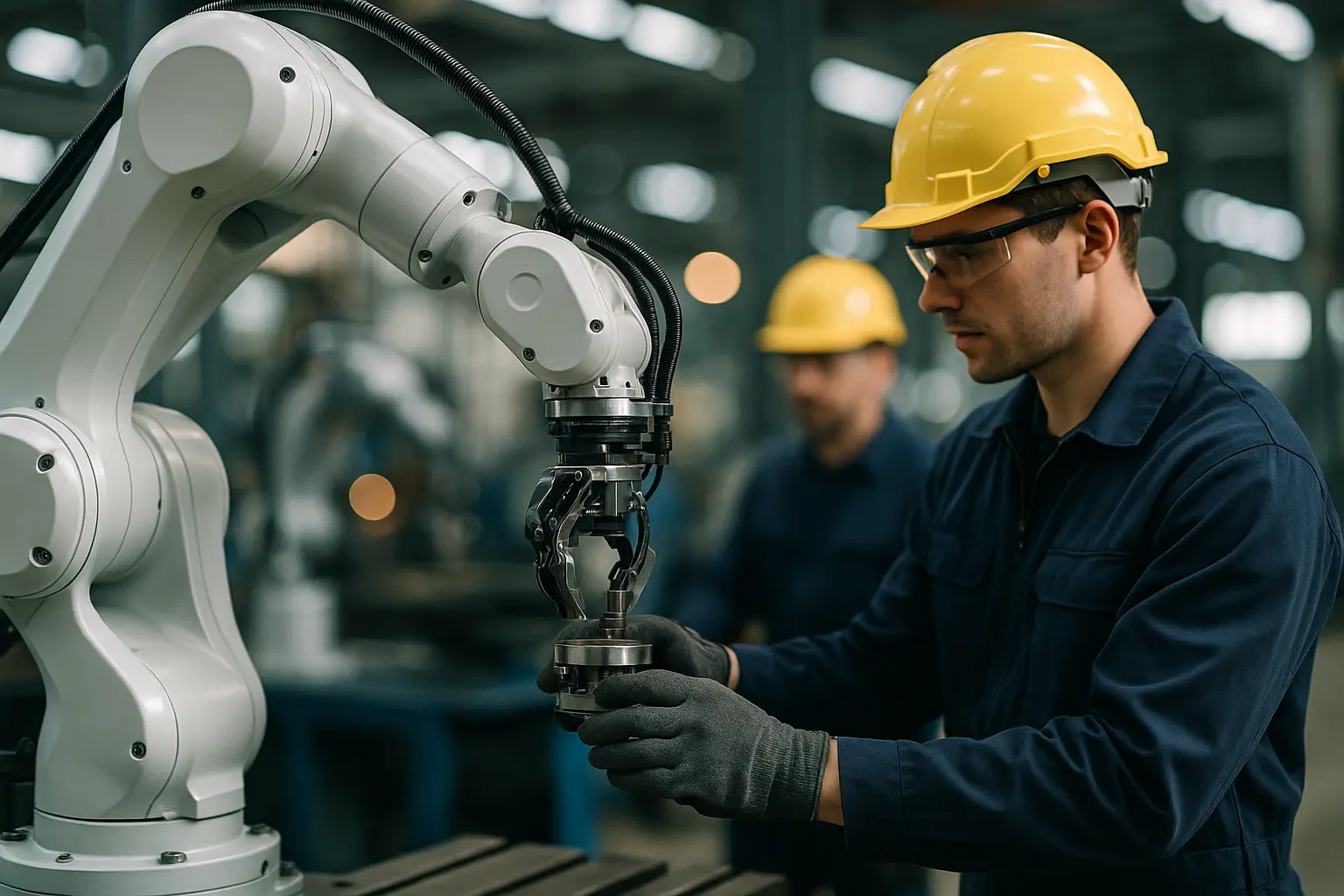
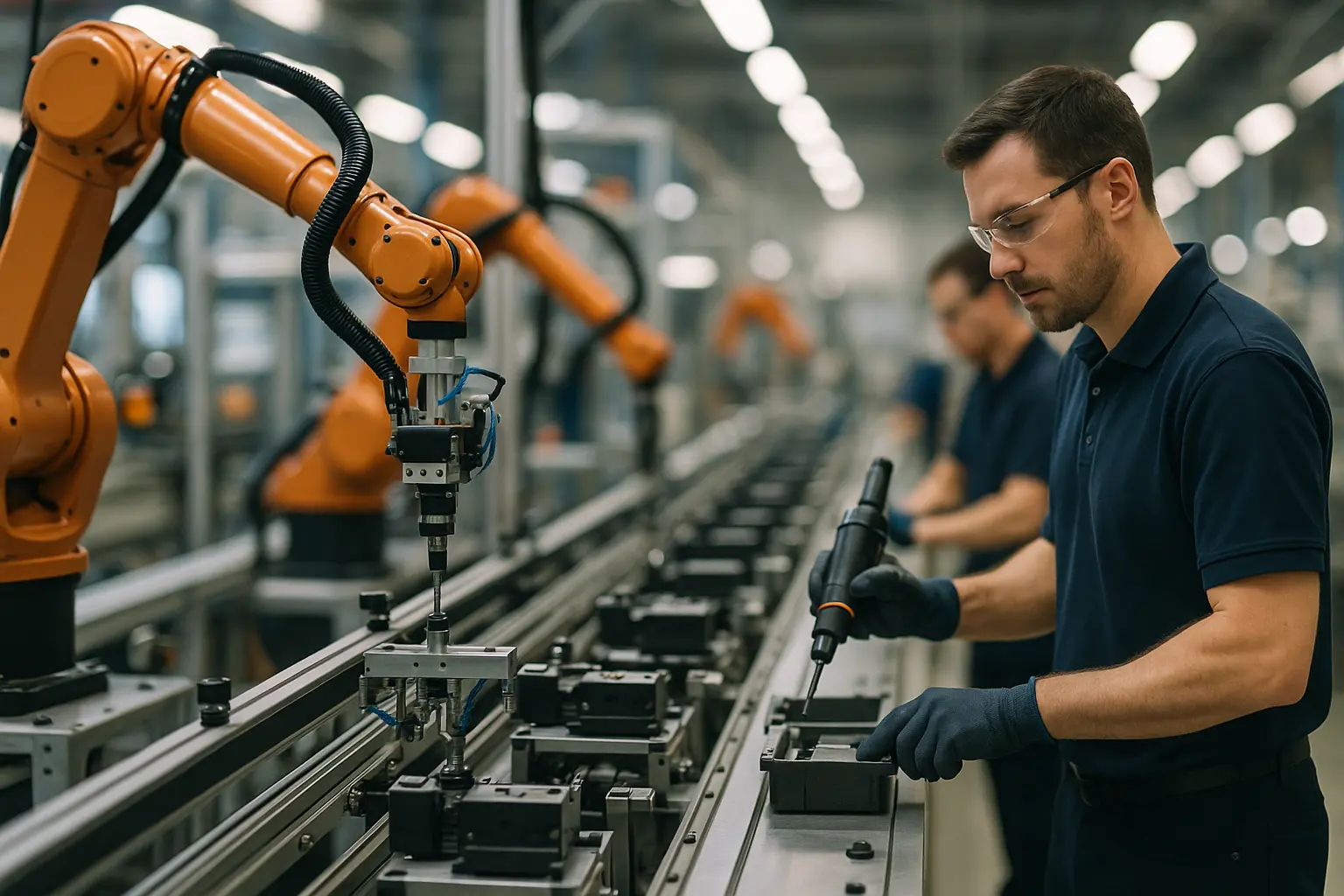
Additionally, IoT solutions facilitate the integration of automated systems and robotics. This integration minimizes manual intervention, reducing errors, and improving safety for our workforce. Automation also allows us to scale operations efficiently, meeting increasing demands without compromising on quality.
As we navigate these innovations, it becomes evident that the IoT is not merely a technological advancement but a transformative force—one that empowers us to optimize our factory operations for greater efficiency, quality, and sustainability.
The Future of IoT-Driven Manufacturing
Looking ahead, the potential of IoT in manufacturing is boundless. As we continue to integrate intelligent solutions, our factories will evolve into highly adaptive ecosystems driven by innovation and efficiency.
The future promises even more interconnectivity as IoT devices become more sophisticated and seamless in their integration. This evolution will facilitate the rise of autonomous factories, where human intervention is minimized, and smart systems drive operations with remarkable precision.
Moreover, the data generated from IoT devices will become even more valuable. Advanced analytics and AI integration will provide deeper insights, enabling us to forecast trends, anticipate challenges, and explore new opportunities for growth.
In the coming years, we can expect an increase in collaborative ecosystems, where manufacturers, suppliers, and customers work together within a connected environment. This collaboration will lead to customized solutions, further enhancing the customer experience while promoting sustainable practices.
As manufacturers, our journey with IoT is a continuous one—marked by a commitment to innovation, resilience, and adaptability. By embracing this technological frontier, we are not just transforming our production processes; we are redefining the future of manufacturing as we know it.
The journey to smart factories is one of innovation, ambition, and transformation. As we harness the power of IoT, we’re crafting a future where production is not only more efficient but also sustainable and innovative. By embracing smart systems and integrating advanced technologies, we are paving the way for a new era in manufacturing—one that thrives on data, drives quality, and enhances operations.
As we move forward, let us remain committed to exploring new possibilities, adapting to the ever-evolving landscape, and leveraging the power of IoT to shape a smarter tomorrow. Together, as manufacturers, we can lead the charge toward a future that is as dynamic as it is promising. Welcome to the era of smart factories—where innovation and excellence reign supreme.
FAQ
What is a smart factory?
A smart factory is a highly digitized and connected production facility that relies on smart manufacturing. It leverages technologies such as the Internet of Things (IoT), artificial intelligence, and robotics to optimize the manufacturing process, increase efficiency, and improve productivity while reducing waste.
How does IoT enhance production in smart factories?
IoT enhances production by allowing machines and devices to communicate with each other and with central systems. This connectivity enables real-time data collection and analysis, which helps in predictive maintenance, reducing downtime, optimizing supply chain management, and improving overall decision-making processes.
What are the benefits of integrating IoT into manufacturing processes?
Integrating IoT into manufacturing processes offers several benefits, including increased operational efficiency, reduced operational costs, improved product quality, enhanced safety, and the ability to quickly adapt to market changes. It also provides valuable insights through data analytics, leading to informed decision-making.
What challenges might companies face when implementing IoT in factories?
Companies may face challenges such as high initial investment costs, data security concerns, integration complexities with existing systems, and the need for skilled personnel to manage and maintain IoT infrastructure. Additionally, there can be resistance to change from employees accustomed to traditional manufacturing methods.
How can manufacturers ensure data security in a smart factory environment?
Manufacturers can ensure data security by implementing robust cybersecurity measures such as encryption, access controls, and regular security audits. It’s crucial to establish secure communication channels between devices, keep software and systems updated, and conduct employee training on security best practices to mitigate potential risks.









Post Comment