Beginner’s guide to power tools: safety and starter projects
Power tools have revolutionized the way we approach DIY projects, making tasks more efficient and accessible. Whether you’re a novice eager to delve into the world of home improvement or a seasoned enthusiast, understanding the fundamentals of power tool safety and selecting the right tool for your project is crucial. In this comprehensive guide, we’ll explore the best tools for beginners, provide essential safety tips, and suggest starter projects to ignite your creative spirit. Let’s embark on this empowering journey together.
The Essentials of Power Tool Safety
Safety should be our primary concern when working with power tools. It’s easy to get carried away with the excitement of starting a new project, but ensuring that we’re equipped with the right knowledge and gear can prevent accidents and injuries.
Protect Yourself
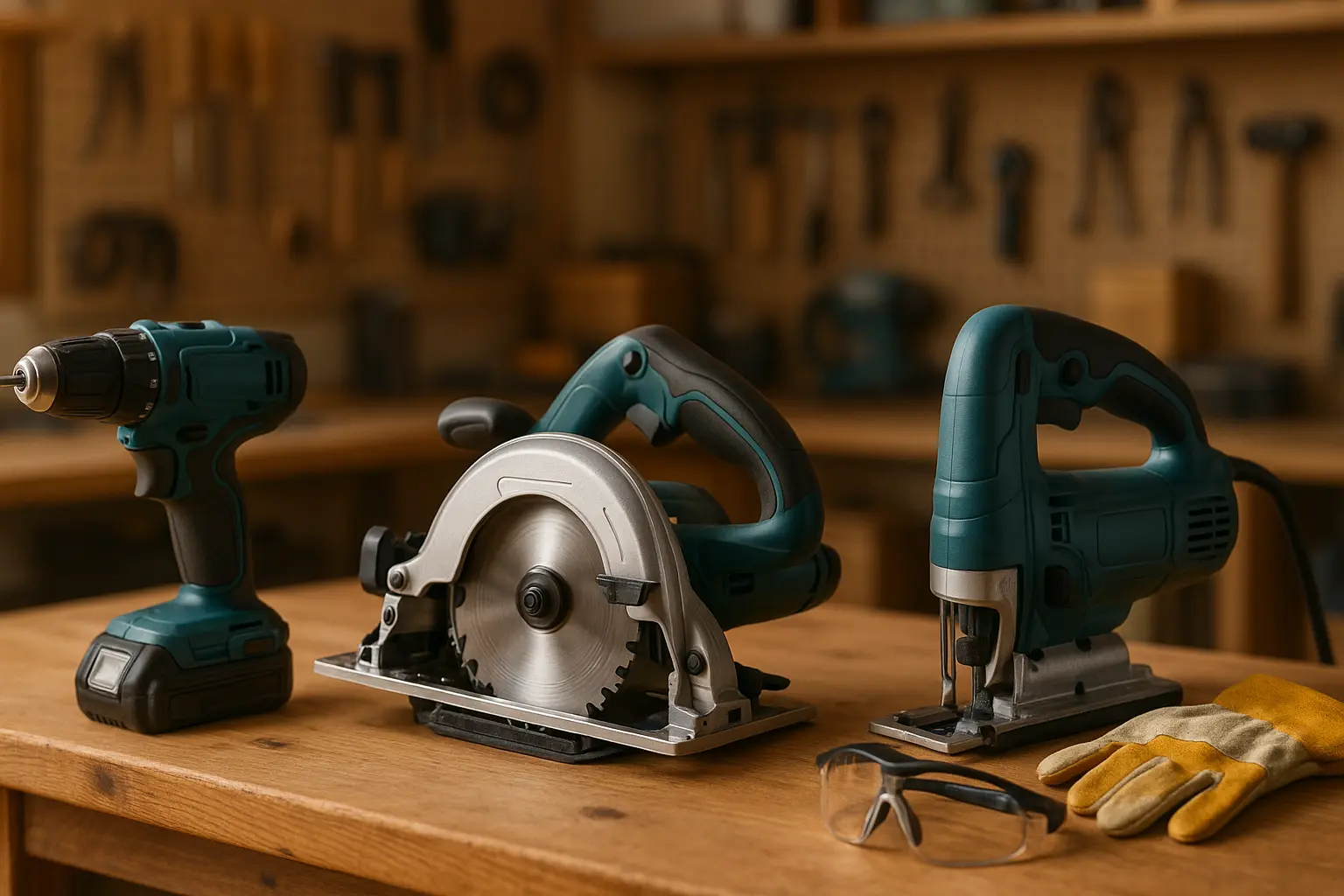
Before even picking up a drill or a sander, we must don appropriate protective gear. Safety goggles are essential for eye protection, especially when working with materials like wood that can splinter. Ear protection is equally important, as tools like the circular saw can produce high-decibel sounds that damage hearing over time.
Maintain Your Tools
Proper maintenance extends the life of our tools and ensures they operate effectively. Regularly check for wear and tear, especially in cordless devices where battery maintenance is vital. Keeping blades and bits sharp reduces the risk of slips and inaccurate cuts.
Understand the Tool
Each tool has its unique operating method and safety procedures. Taking the time to read the manual and familiarize ourselves with each function can save us from costly mistakes. Cutting tools like the circular saw require steady hands and clear focus, while sanders demand smooth, even movements for the best results.
Know the Environment
Our workspace should be clean and well-lit. Clearing clutter helps prevent tripping hazards and allows for smoother workflow. Proper ventilation is crucial, especially when working with materials that emit fumes or when using high-powered tools.
By adhering to these safety principles, we not only protect ourselves but also ensure the longevity and effectiveness of our tools.
The Best Tools for New DIY Enthusiasts
Venturing into the realm of DIY projects requires the right set of tools. As beginners, it’s important that we select tools that are versatile, user-friendly, and safe.
Drills: A Staple in Every Toolkit
Drills are perhaps the most versatile power tool for any project. Whether we’re assembling furniture or hanging frames, a cordless drill offers the flexibility to work in various environments without the constraint of cords. Look for models with adjustable speeds and torque settings to cater to different materials.
Sanders for a Smooth Finish
A sander is essential for achieving that smooth, polished finish on wood and other materials. For beginners, an orbital sander offers ease of use and great results. As we progress, we might consider investing in a belt sander for more demanding tasks.
Circular Saws: Precision Cutting
When it comes to making precise cuts, a circular saw is unmatched. This tool is perfect for projects that involve cutting larger pieces of wood or other materials. Ensure that the model we choose has safety features like a blade guard and an electric brake to provide added security during use.
Multi-tools: Jack of All Trades
For those of us who love versatility, a multi-tool can cut, sand, and even grind. It’s the perfect companion for small tasks and repairs around the house. While it may not replace specific tools in our arsenal, it can certainly complement them.
By equipping ourselves with these essential tools, we’re poised to tackle a variety of projects with confidence and precision.
Starter Projects to Spark Creativity
Now that we’ve equipped ourselves with the right tools and safety knowledge, it’s time to dive into some exciting projects that hone our skills and spark creativity.
Building a Bookshelf
A bookshelf is a fantastic starter project that allows us to practice precise measurements and cuts. Using our circular saw and drill, we can create a piece that’s both functional and aesthetically pleasing. Not only does it add storage space, but it also serves as a testament to our growing DIY prowess.
Crafting a Coffee Table
Transform an old piece of wood into a chic coffee table that can become the centerpiece of any living room. This project gives us the opportunity to experiment with different cuts and finishes using our sander. With a bit of creativity, we can play with designs and add personal touches with paint or varnish.
Planter Boxes for the Garden
Bring a touch of nature indoors or enhance your outdoor space with custom planter boxes. These projects can vary in complexity, allowing us to start small and gradually take on more intricate designs. Our cordless drill will come in handy for assembling the boxes, while a sander provides a smooth finish for a professional look.
Restoring Old Furniture
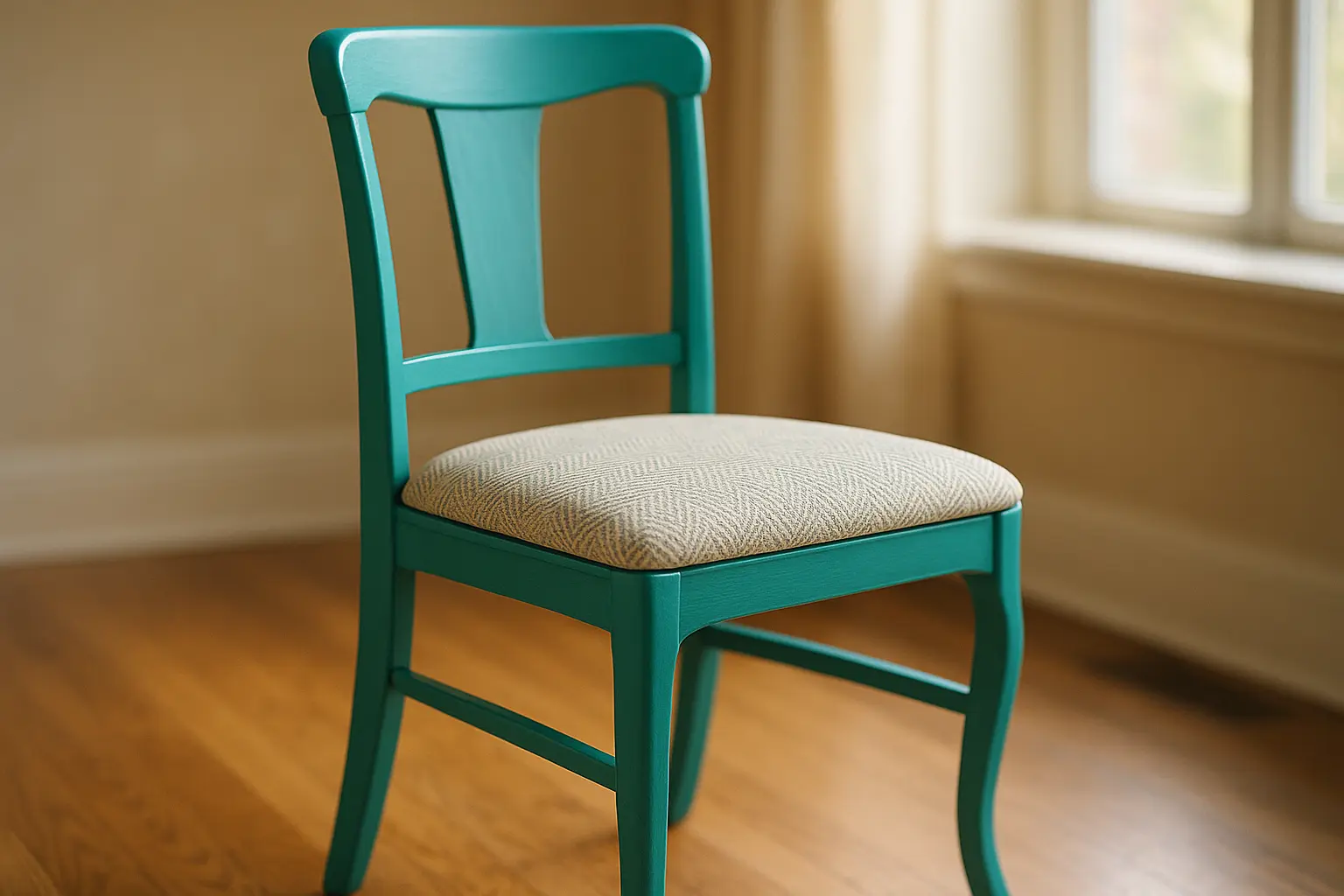
Breathe new life into tired furniture pieces with a bit of sanding and creativity. This project is perfect for practicing refinishing skills and experimenting with paint or stains. It’s not only rewarding but also an environmentally friendly way to refresh our living space.
By embarking on these starter projects, we tap into our creativity, refine our skills, and gain the confidence to tackle even more ambitious endeavors.
Embarking on a journey into the world of DIY projects with power tools can be both thrilling and rewarding. With the right tools in hand and safety measures firmly in place, we have the power to transform ideas into tangible creations. As beginners in this craft, it’s essential to start with manageable projects that build our confidence and skills. Over time, our toolkit will grow, and so will the scope of our projects.
By following the guidelines laid out in this guide, we’re setting ourselves up for a successful and enjoyable DIY experience. Whether it’s the satisfaction of a well-built bookshelf or the joy of crafting a unique piece of furniture, each project is a step toward becoming proficient in the art of home improvement. Let’s embrace this creative journey with enthusiasm and curiosity, knowing that the possibilities are endless.
FAQ
What are the essential safety precautions to follow when using power tools?
Always read and follow the manufacturer’s instructions before using any power tool. Wear appropriate personal protective equipment such as safety glasses, gloves, and ear protection. Ensure the working area is clean and well-lit. Keep hands and loose clothing away from moving parts. Always unplug tools when changing blades or bits.
How can a beginner identify which power tool to start with for DIY projects?
Begin by assessing the types of projects you want to undertake. For basic home repairs and small projects, a cordless drill is a versatile choice. For woodworking, a jigsaw can be useful. Consider tools that offer multiple functions and can grow with your skills.
What are some beginner-friendly projects to try with power tools?
Start with simple projects like building a birdhouse, creating a small bookshelf, or crafting a picture frame. These projects typically require basic tools like a drill, saw, and sander, allowing you to practice your skills without overwhelming complexity.
How can one maintain power tools to ensure they last longer?
Regularly clean your power tools after use to remove dust and debris. Check for any loose parts or wear and tear. Lubricate moving parts as recommended by the manufacturer. Store tools in a dry place and avoid exposing them to extreme temperatures.
What steps should be taken to ensure a safe working environment when using power tools?
Establish a dedicated workspace that is free from clutter. Ensure all electrical cords are in good condition and use proper outlets. Keep a first-aid kit nearby. Always be aware of your surroundings and avoid distractions while operating power tools.









Post Comment